Winter in New Hampshire, Southern Maine, and Northern Massachusetts can be tough on a home’s water system. When temperatures drop, exposed pipes, outdoor lines, well pumps, pressure tanks, and water treatment equipment can all be at risk.
The good news is that a little preparation can prevent major headaches.
Winterizing your water system helps reduce the risk of frozen pipes, water outages, pump issues, leaks, and expensive emergency repairs. It is especially important if your home runs on a private well or if the property will be vacant during the colder months.
Here’s how to prepare your home’s water system before freezing weather sets in.
Why Winterizing Your Water System Matters
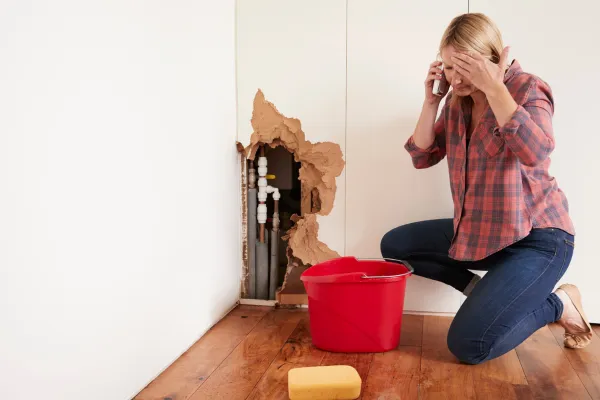
Water expands when it freezes. If water freezes inside a pipe, it can create pressure that may cause the pipe to crack or burst.
That can lead to water damage, loss of water pressure, pump strain, or a complete water outage.
For homes with private wells, winter preparation goes beyond basic plumbing. Your well pump, pressure tank, water lines, and filtration equipment may also need attention, especially if any part of the system is located in a basement, crawl space, garage, pump house, or other unheated area.
If you rely on a private well, it is worth reviewing your full well pump and water well system before winter arrives.
1. Insulate Exposed Pipes
Exposed pipes are among the first parts of a water system to freeze.
Check areas such as:
- Basements
- Crawl spaces
- Garages
- Attics
- Exterior walls
- Utility rooms
- Pump houses
Use foam pipe insulation, heat tape, or another approved pipe protection product for vulnerable lines. Pay close attention to pipes near drafts, exterior walls, or poorly insulated areas.
Even a small section of exposed pipe can cause problems during a deep freeze.
2. Shut Off and Drain Outdoor Water Lines
Outdoor water lines are easy to forget, but they are highly vulnerable during winter.
Before freezing temperatures arrive, shut off the indoor valve that supplies outdoor spigots. Then open the exterior faucet to drain any remaining water.
This helps prevent trapped water from freezing inside the pipe.
You should also disconnect and drain garden hoses. Leaving a hose attached can trap water at the faucet and increase the risk of freezing.
3. Cover Outdoor Faucets
Once outdoor faucets are drained, add insulated faucet covers for extra protection.
These covers are inexpensive, easy to install, and helpful during long stretches of freezing weather. They are especially useful for faucets on shaded sides of the home or areas exposed to wind.
4. Seal Drafts Around Plumbing
Cold air can enter through small gaps near pipes, windows, doors, vents, and foundation openings.
Walk around your home and look for drafts near plumbing. Seal gaps with caulk, weather stripping, or spray foam where appropriate.
This small step can make a big difference, especially in older homes.
5. Keep Your Home Warm Enough
If you are leaving your home during winter, do not turn the heat off completely.
Keep indoor temperatures warm enough to protect pipes, especially in areas where plumbing runs through exterior walls, cabinets, basements, or crawl spaces.
It also helps to open cabinet doors under sinks during cold snaps. This allows warmer air to reach the pipes.
6. Let Vulnerable Faucets Drip During Extreme Cold
On very cold nights, letting a faucet drip slightly can help keep water moving through vulnerable pipes.
This is most helpful for faucets connected to pipes along exterior walls or in unheated spaces.
A dripping faucet is not a replacement for proper winterization, but it can help reduce the chance of freezing during severe cold.
7. Know Where Your Main Water Shut-Off Valve Is
If a pipe bursts, you need to act fast.
Make sure everyone in the home knows where the main water shut-off valve is located. Test it before winter to make sure it works properly.
If the valve is hard to turn, leaking, or difficult to access, have it repaired or replaced before an emergency happens.
8. Prepare Your Well Pump for Winter
If your home uses a private well, your pump system needs special attention.
Deep well pumps are usually protected below ground, but shallow well pumps, jet pumps, and above-ground components may be exposed to freezing temperatures.
Check the area around your pump. Make sure it is protected from cold air, drafts, and moisture. If the pump is in a pump house or utility area, the space should be insulated and kept warm enough to prevent freezing.
Watch for warning signs such as:
- Low water pressure
- No water
- Strange pump noises
- Frequent pump cycling
- Water pressure that rises and drops quickly
If you notice these issues, schedule service before the problem gets worse. Epping Well provides well pump repair and replacement for homeowners in New Hampshire, Southern Maine, and Northern Massachusetts.
9. Check Your Pressure Tank
Your pressure tank helps regulate water pressure throughout the home. If it freezes or begins to fail, you may notice poor pressure, short cycling, leaks, or no water.
Before winter, check where your pressure tank is located. If it sits in an unheated basement, crawl space, garage, or seasonal property, it may need extra protection.
If you are closing a home for the season, the pressure tank may need to be drained as part of the winterization process.
Do not guess if you are unsure. A professional inspection can help protect the tank, pump, and connected plumbing before freezing weather arrives.
10. Winterize Water Treatment and Filtration Equipment
Water softeners, filtration systems, sediment filters, treatment tanks, and chemical feed systems can also be affected by freezing temperatures.
If your treatment equipment is installed in a heated area, it may only need routine maintenance before winter. If it is in an unheated space, it may need to be drained, bypassed, insulated, or shut down according to the manufacturer’s instructions.
This is also a good time to replace old filters and check whether your system is working properly.
If your water has staining, odor, hardness, bacteria concerns, or other quality issues, Epping Well can help with water treatment and filtration systems for homes and businesses.
11. Prepare Seasonal or Vacant Homes
Vacant homes need extra winter protection.
If a property will be empty for weeks or months, do not rely on basic pipe insulation alone. The plumbing system may need to be drained more thoroughly.
A seasonal home winterization checklist may include:
- Shutting off the water supply
- Turning off power to the pump after the system is drained
- Draining indoor plumbing lines
- Draining the water heater
- Draining or protecting the pressure tank
- Protecting toilets and drains with the proper non-toxic plumbing antifreeze
- Shutting down or winterizing treatment equipment
- Checking for drafts, leaks, and exposed pipes
Never use automotive antifreeze in a home plumbing system. Use only products made for plumbing or RV winterization, and follow the label instructions carefully.
12. Plan for Power Outages
Winter storms can knock out power. If your home runs on a private well, that can also stop your water supply because the pump needs electricity.
Consider keeping bottled water available for emergencies. If power outages are common in your area, a backup generator may help keep your well pump running during extended outages.
It is also smart to save your well contractor’s phone number before winter weather hits.
For more cold-weather well care tips, you can also read Winter Water Wisdom: Tips to Protect Your Well and Pump System.
13. Test Your Water After Winter Storms or Repairs
Winter weather can affect more than your plumbing. Heavy snowmelt, flooding, repairs, and long periods of non-use can all affect water quality.
Test your well water if you notice changes in:
- Taste
- Smell
- Color
- Clarity
- Water pressure
Testing is also a smart step after pump repairs, well work, flooding, or seasonal reopening.
Epping Well offers well water testing and quality analysis to help homeowners understand what is in their water and what treatment options may be needed.
What to Do If You Have No Water During Winter
If you suddenly lose water during winter, the issue may be a frozen pipe, power outage, failed pressure switch, pump problem, pressure tank issue, or another well system concern.
Start with basic checks:
- Make sure the well pump has power
- Check the circuit breaker
- Look for frozen or exposed pipes
- Check for leaks
- Listen for unusual pump sounds
- Note whether water pressure dropped slowly or stopped suddenly
Do not force equipment to run if you think the system is frozen. That can cause more damage.
For more troubleshooting steps, read No Water From Your Well? Here’s What to Do
When to Call Epping Well
Some winterizing tasks are simple. Others should be handled by a well and pump professional.
Call for help if:
- Your pump is exposed to freezing temperatures
- Your pressure tank is in an unheated space
- Your home will be vacant for the season
- You have low water pressure
- You suddenly have no water
- Your pump is short cycling
- Your treatment equipment may freeze
- You are unsure how to winterize your system safely
A winter inspection can help catch problems before freezing weather causes damage.
If you need help preparing your well, pump, pressure tank, water lines, or treatment system for winter, contact Epping Well to schedule service.
Frequently Asked Questions
How do I winterize a home with a private well?
Start by protecting exposed pipes, checking the well pump area, reviewing the pressure tank location, and making sure water treatment equipment is safe from freezing. If the home will be vacant, the system may need to be drained and shut down properly.
Can a well pump freeze in the winter?
Yes. Above-ground pumps, shallow well pumps, jet pumps, and pump components in unheated areas can freeze. Deep well pumps are usually better protected underground, but connected pipes and equipment can still be vulnerable.
Should I drain my pressure tank before winter?
You may need to drain the pressure tank if the home will be vacant, unheated, or closed for the season. If the tank is in a heated area, it may not need to be drained, but it should still be checked before winter.
What temperature should I keep my home at to prevent frozen pipes?
Keep the home warm enough to protect pipes, especially if plumbing runs through exterior walls, basements, crawl spaces, or cabinets. If you are leaving for an extended period, do not turn the heat off completely.
Should I let faucets drip during freezing weather?
Letting a faucet drip slightly can help during extreme cold, especially for pipes along exterior walls or in unheated spaces. It keeps water moving, which may reduce the chance of freezing.
Do I need to winterize my water treatment system?
Yes, especially if the equipment is in an unheated space. Filters, softeners, treatment tanks, and chemical feed systems may need to be drained, bypassed, insulated, or serviced before winter.
What should I do if I have no water during winter?
Check the circuit breaker, pump power, visible pipes, and pressure system. If you suspect frozen pipes or pump damage, stop troubleshooting and call a professional. Running damaged or frozen equipment can make the problem worse.
When should I call a well and pump professional?
Call a professional if you have no water, low water pressure, frozen pipes, pump issues, exposed well components, or a vacant home that needs seasonal winterization. A professional inspection can help prevent expensive winter damage.